Before and After: Inside One Real Video Edit
 Pawan KumarFounder, Vynra Studio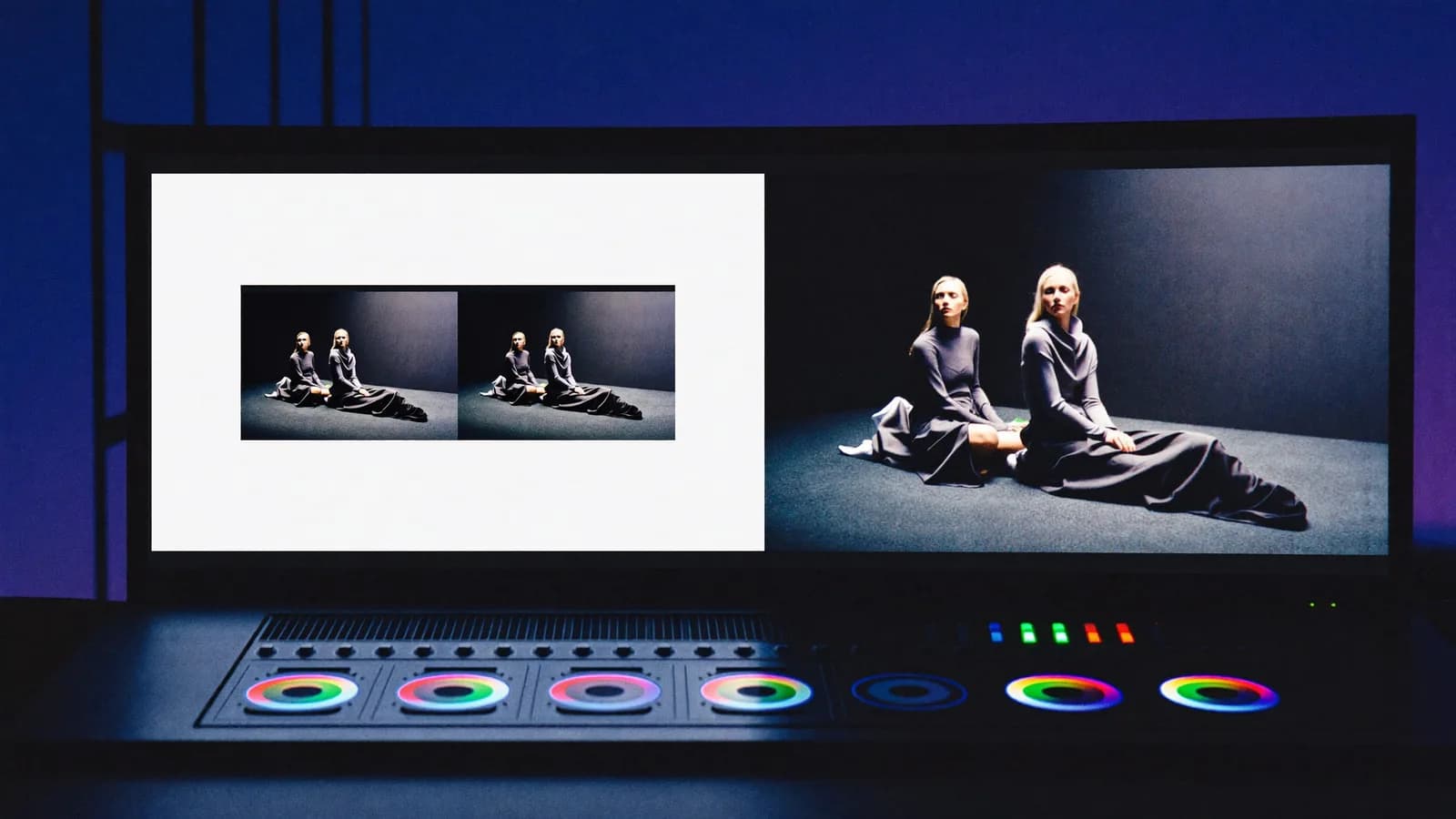
Clients see the final cut. They almost never see the distance between what was shot and what shipped. This is a walkthrough of that distance, using a real project: a forty-minute founder interview that became a twelve-minute story.
What the raw footage looked like
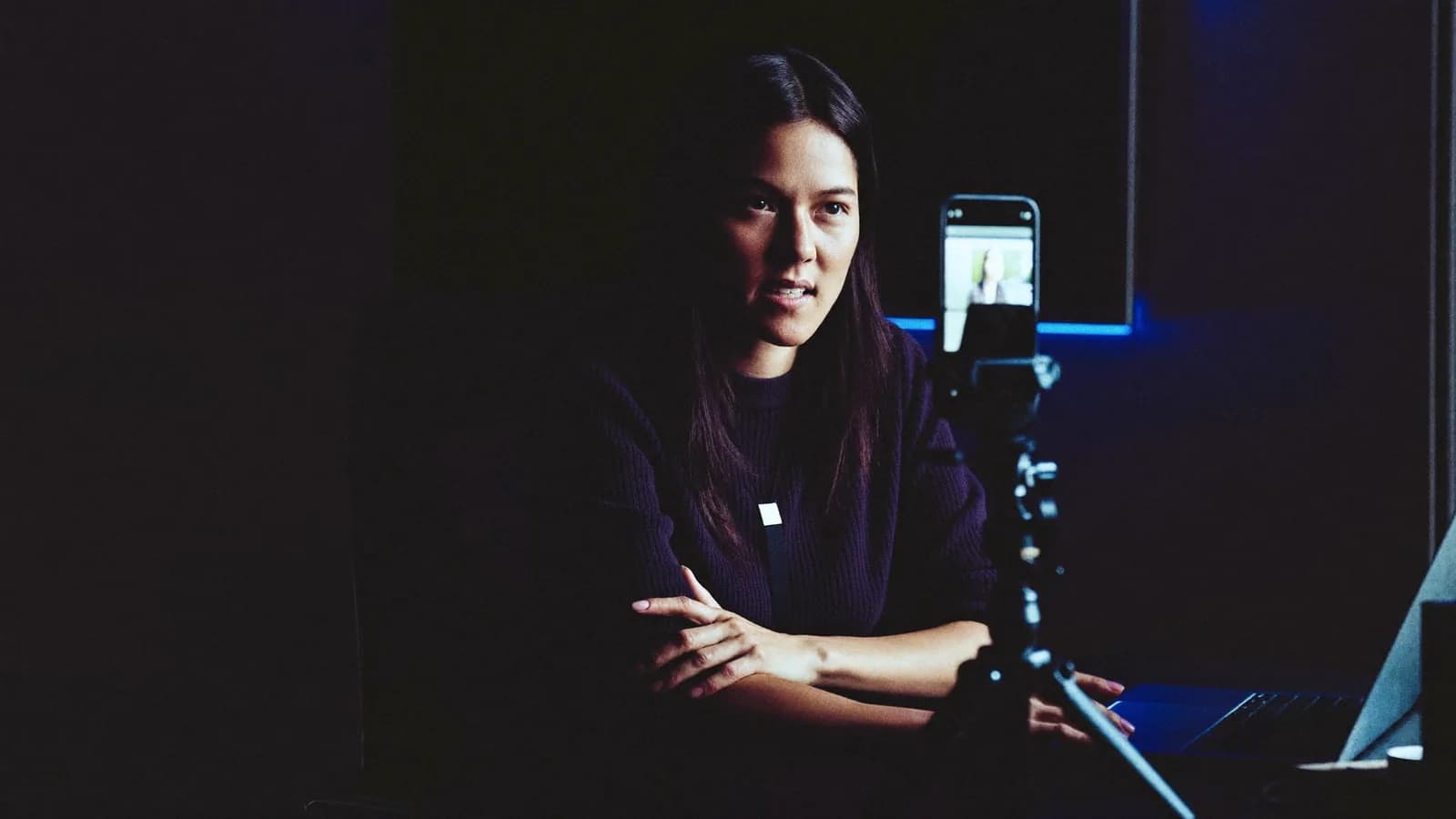
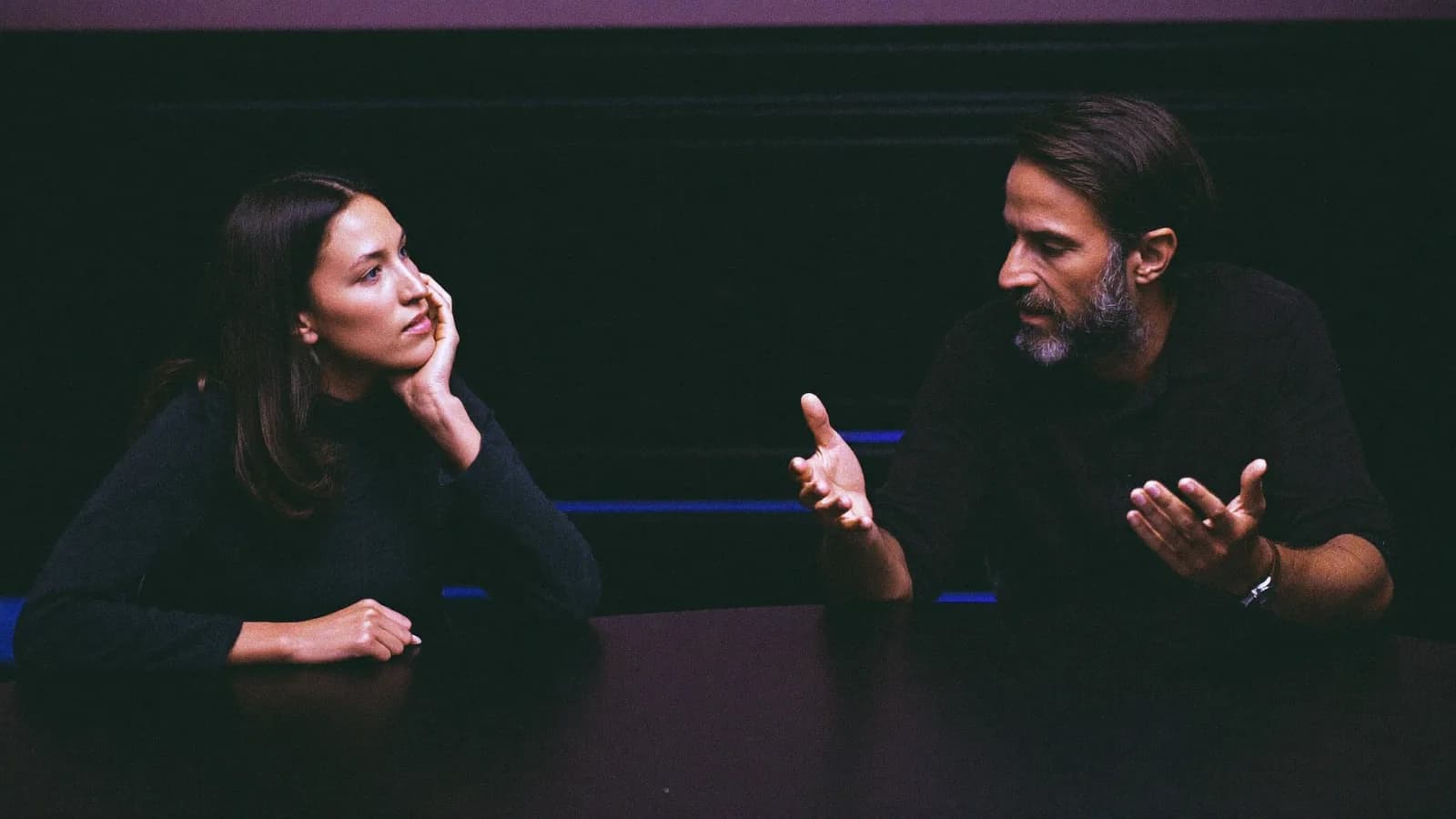
Two camera angles. Decent audio. A thoughtful founder who, like every human being on camera, spoke in loops: approached ideas twice, backtracked, qualified everything, and buried the best sentence of the interview at minute thirty-one.
Nothing was wrong with the footage. It was simply a conversation, and conversations are not stories.
Decision one: find the spine
The first pass had nothing to do with cutting. We read the transcript and asked one question: what is this actually about?
The interview covered the company's history, product, funding, team, and mistakes. The spine we chose was a single thread: the founder rebuilt the product three times before anyone cared. Everything that served that thread stayed. Everything else, including good material, went.
Editing is not about keeping what is good. It is about keeping what belongs. Those are different tests, and the second one is harder.
Decision two: restructure time
Chronology is how things happened. It is rarely the best order to tell them.
The final cut opens at minute thirty-one, with the sentence the founder buried: "We had four hundred users and I decided to delete the product." Cold open, no context. Then the story rewinds to explain how anyone arrives at that decision.
The raw footage had this moment as a mid-conversation aside. The edit made it the reason the video exists.
Decision three: cut inside sentences
The visible cuts are between topics. The invisible cuts are inside answers.
- False starts removed: "I think, well, what I mean is" becomes the answer itself.
- Qualifiers trimmed where they weakened a point the founder clearly believed.
- Two halves of one idea, spoken eight minutes apart, joined into a single clean thought.
Roughly nine minutes disappeared through cuts no viewer will ever perceive. The founder sounds exactly like himself, on his best day.
Decision four: build the atmosphere
Only after the story locked did the cinematic layer go on.
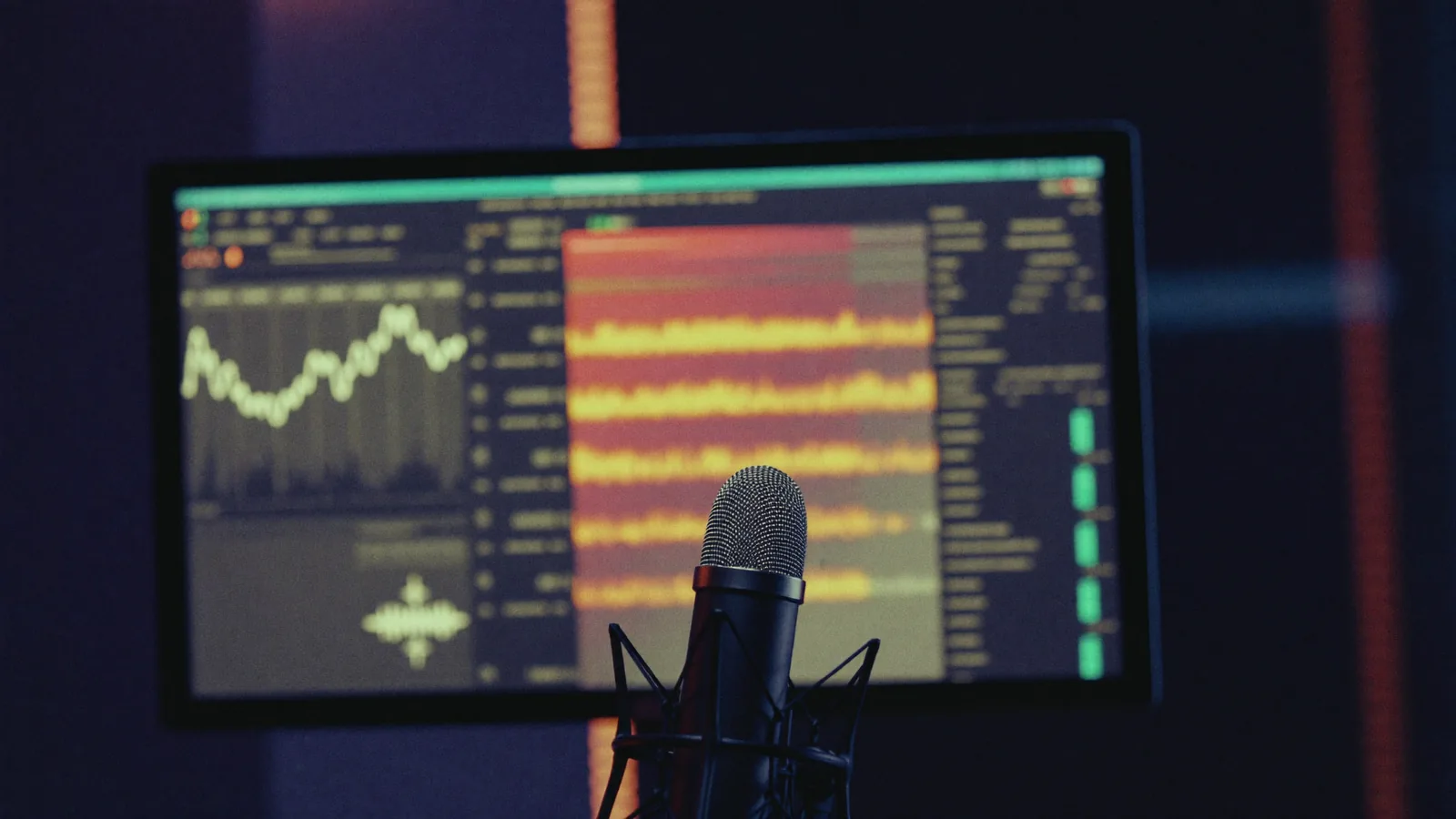
Sound
Room tone smoothed, a low music bed that lifts in exactly three places, and half a second of full silence before the key line. Silence, used once, is the loudest tool in the edit.
Color
The two cameras matched, then graded slightly warm. Nothing dramatic. The goal is that the image feels finished without anyone noticing why.
Motion and text
Slow punch-ins on the emotional beats. Key phrases set on screen in clean type. Chapter cards that give the story visible structure.
The result
Same founder, same room, same conversation. The raw footage was a record of an interview. The final cut is a story about conviction, with a beginning that hooks, a middle that builds, and an ending that lands.
That distance is the job. It is invisible when done well, which is exactly why we wrote it down.
Need help with your content?
Vynra edits short-form, long-form and podcasts for creators and brands. Start a project, or see how the studio works first.